A highly enjoyable window into a rural Romanian time capsule; witchcraft, horse traps and haystacks
Review by Sam Baldwin
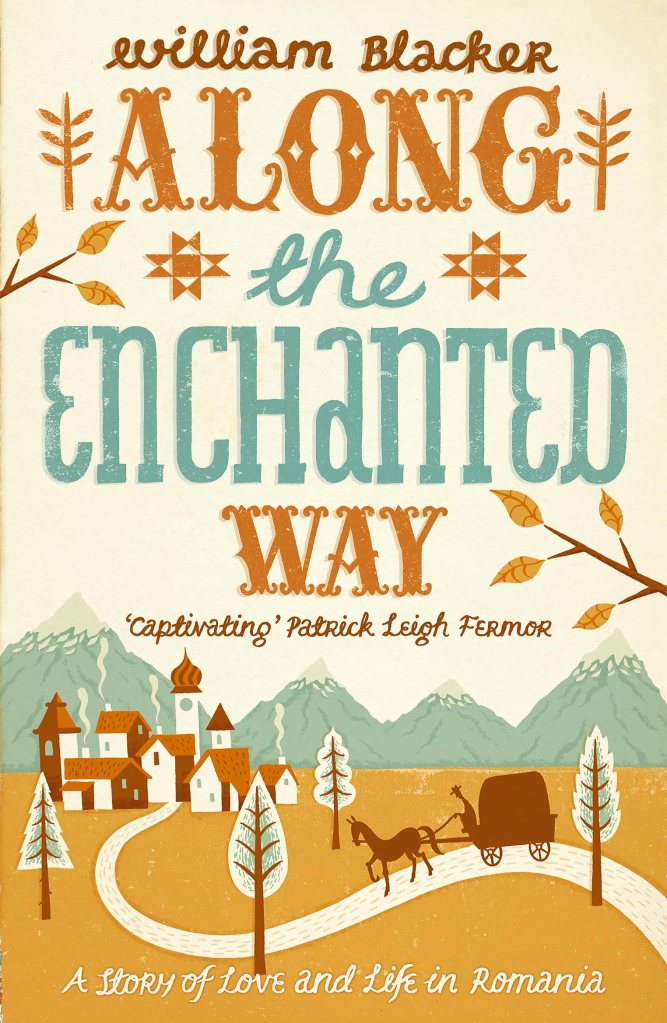
- Author: William Blacker
- Book First Published: 2009
- Publisher: John Murray
- Rating: ★★★
How our ratings work:
★★★ – We loved it. Highly recommended, even if you’re not specifically interested in the location
★★☆ – We liked it. Recommended, especially if you’re interested in the location
★☆☆ – We didn’t like it. But it may still appeal to those interested in the location
The Gist
William Blacker certainly could be considered an eccentric Englishman. He strikes out for the wilds of Romania, just after communism has fallen. There, Blacker passes through a time gate and enters a way of life long since extinct in the rest of Europe. Although his story covers a period not-so-long ago (late ’90s to the early 2000s), the world Blacker describes could be from the 1800s. It was:
‘like the wing of a mansion, which had been closed up for 100 years’
Deep in Maramureș region in northern Romania, Blacker embeds himself into rural life, befriending members of the diligent, hardworking, Saxon community, and then the wilder more dangerous gypsies, whom he’d been warned to avoid. It’s a world of shepherd song, horse traps, witchcraft and death-weddings; an enchanted way indeed.
The Guts
The pastoral Romania that Blacker tells of is a place devoid of industrialisation, or apparently any form of electronic technology. A land of misty forests, grazing pastures and cosy cottages with open fires. A place where scythes still swing in the meadows, and horse carts collect the harvests. It’s also a place where most people still live a financially poor, subsistence existence. Which is exactly the world Blacker seeks, before it disappears forever.
Blacker is a gifted storyteller and the picture he paints of this world in which he lived for eight years is alluring. A talented linguist, he learned the language of the locals, and is able to give us a deep understanding into their lives. You long to join him in such a seemingly pure, unadulterated, wholesome life.
But it turns out, Romanian rural life is not always idyllic. In amongst the bucolic background there are knife attacks, thefts and police beatings. And this is what makes Blacker’s tale such a great read. There’s trouble and strife along the way. Yet despite the dark side, Blacker believes the locals should cling to their way of life and avoid the evils of the modern world which surround the region and threaten to encroach.
Blacker appears to be from ‘good stock’ and is likely a ‘man of means’. Though his work ethic is admirable (he never hesitates to roll up his sleeves and partake in physical labour) he never mentions any source of income. Presumably he could have retreated to a comfortable life back in Britain any time he wished.
One might assert that this somewhat weakens his arguments regarding the preservation of the ‘charming’ lifestyle of subsistence peasants. Yet Blacker doesn’t have to live like this. He chooses to. Which arguably gives his perspective greater, rather than less weight.
Why read The Enchanted Way?
Along the Enchanted Way will delight anyone with an interest in rural Romania, but its appeal goes far beyond Romaniaphiles alone. It’s an unusual and fascinating tale coming out of a place most know nothing of, and as such will be enjoyed by those who love to learn of ‘the old ways’; armchair travellers who want to visit simpler times, and all who love well-written travel literature.
To conclude, Along the Enchanted Way is beautifully written yarn, filled with exquisite scenery, threaded with drama, and laced with lament for a more wholesome era. Highly recommended.
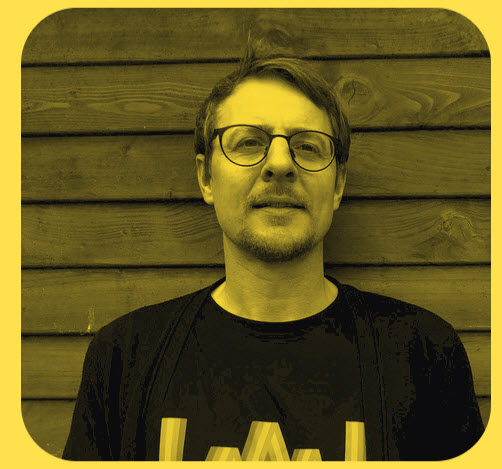
Sam Baldwin is the founder of the Travel Memoir Review, and author of:
• For Fukui’s Sake: Two years in rural Japan
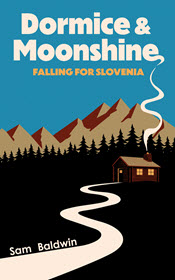
• Dormice & Moonshine: Falling for Slovenia
Support this site by buying his books.

*10,000 copies sold*
A fascinating journey and call to action
Mark Hodson, writer, Sunday Times
Charming, funny, insightful, and moving. The perfect book for any Slovenophile
Noah Charney, BBC presenter
A rollicking and very affectionate tour
Steve Fallon, author of Lonely Planet Slovenia
 The Travel Memoir Review
Leave a comment