Travel author Shafik Meghji on his new book Small Earthquakes, the gringo trail, and why his favourite country in South America depends on who’s asking…
Interview by Sam Baldwin
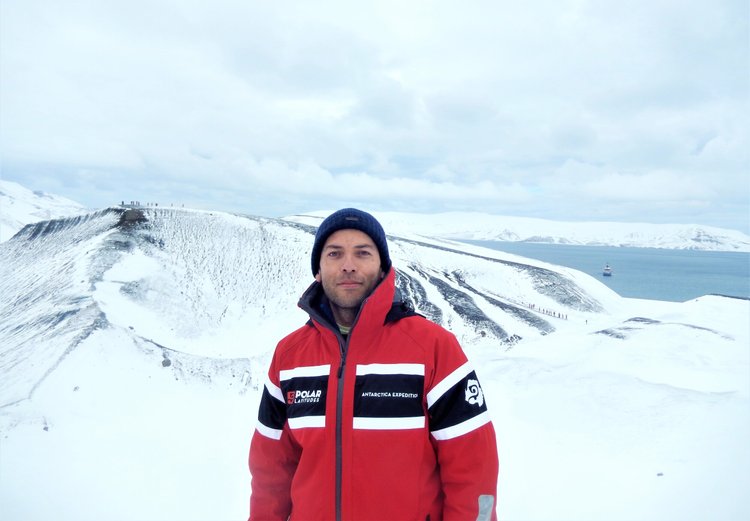
Your new book Small Earthquakes explores links between South America and Britain. What interests you so much about this part of the world?
A lot of the classic South American travelogue and travel memoir books start with some long-lost ancestor who migrated there, or travelled there and brought back a trinket. I didn’t have any of that. I have no family connection. I just grew up in south London, but I loved South American footballers as a kid and I was fascinated by David Attenborough documentaries about the Amazon, and also in the history of ancient South American civilizations like the Inca or Aztec.
I wanted to be a sports journalist originally, and I studied journalism at university. Then wanderlust kicked in and I took an impromptu gap year. I went to India, where I have some family heritage, and then South America for the best part of six months. I absolutely fell in love with it. It took hold of me as a youngster, and it’s never really let me go.
How did your travel writing career kick off?
On that first visit, I very much did the gringo trail; Rio Carnival, through to Bolivia, up to the Inca Trail, and then down to Chile and Argentina. I absolutely loved the experience and that’s when I did my first pieces of travel writing.
I was an avid user of guidebooks – The Rough Guides and Lonely Planet. And I thought: who updates those books? That would be a great job. I wonder if I could do it?
That trip both cemented my interest in South America and set me on the course. To massively condense the next few years, I ended up getting into guidebook writing, mainly for Rough Guides. Over the years I moved into long form features, and over the last five years, into narrative non-fiction travel books.
Your first book, Crossed Off The Map, is about Bolivia, a country that many would know little about. Why did you choose it as your subject?
On my very first trip as a backpacker in South America, I went through Bolivia just because it was an inexpensive overland route between Brazil and Peru. I didn’t know much about Bolivia at the time, but as soon as I crossed the border, I fell in love with it.
Initially it was just with the landscape, which is incredibly diverse. People think of Boliva as an Andean country, but a third of it lies within the Amazon Basin. It’s incredibly rich from a biodiversity point of view. And then as I spent more time there, I fell in love with the culture and the people. I was hearing all these incredible stories about the place and I thought, why don’t I know about this?
For example, I learned that the city of Potosí, one of the highest on earth, was home to the richest silver mine in history, which transformed the world. And I hadn’t even heard of it.
As well as writing, I’m an avid reader. I love travel literature, so I looked for a contemporary book that would help me understand Boliva better. But I couldn’t find one. That was the first flicker of inspiration behind the book.
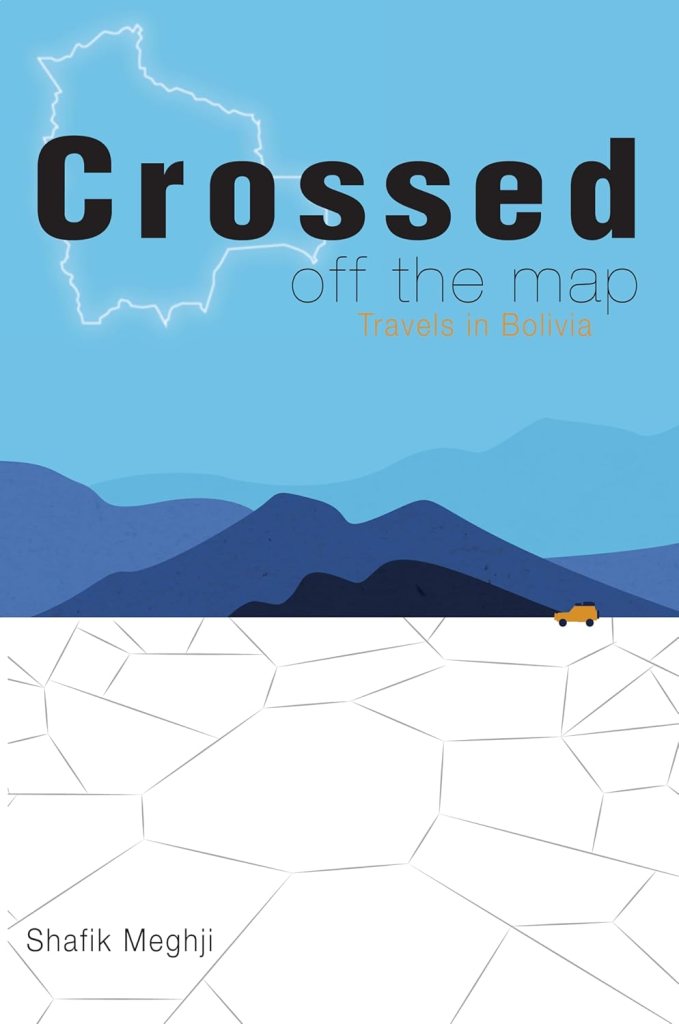
Fast forward a few years and by this point, I’m working for Rough Guides. I ended up living in Buenos Aires for a year, and then started working on The Rough Guide to Bolivia. And that was very fortuitous, because it allowed me to visit virtually every part of the country.
It was also an incredibly dramatic period in the country’s history. The first indigenous president had just been elected; millions of people were being pulled out of poverty. There were huge changes in the economy. There was huge migration. You were seeing the impacts of the climate crisis. The war on drugs was going on as well.
So, with the lack of any books on Boliva, outside of the academic sphere – and my love and experience there, I realised there was a gap in the market for a book that dug into the country and explained, how this country helped to shape the modern world.
What’s your favourite country in South America?
It changes depending on who asks! When I’m in Colombia, Colombia is my favourite country. When I’m in Brazil, it’s Brazil. I have a strong connection with Boliva because of the time I spent there and the book
If you really push me, I would say Argentina, because at the very end of my first backpacking trip around South America, I ended up in Buenos Aires. Some places feel like home even if you’ve never visited them before. That was the case for me in Buenos Aires. I just loved the vibe of the place.
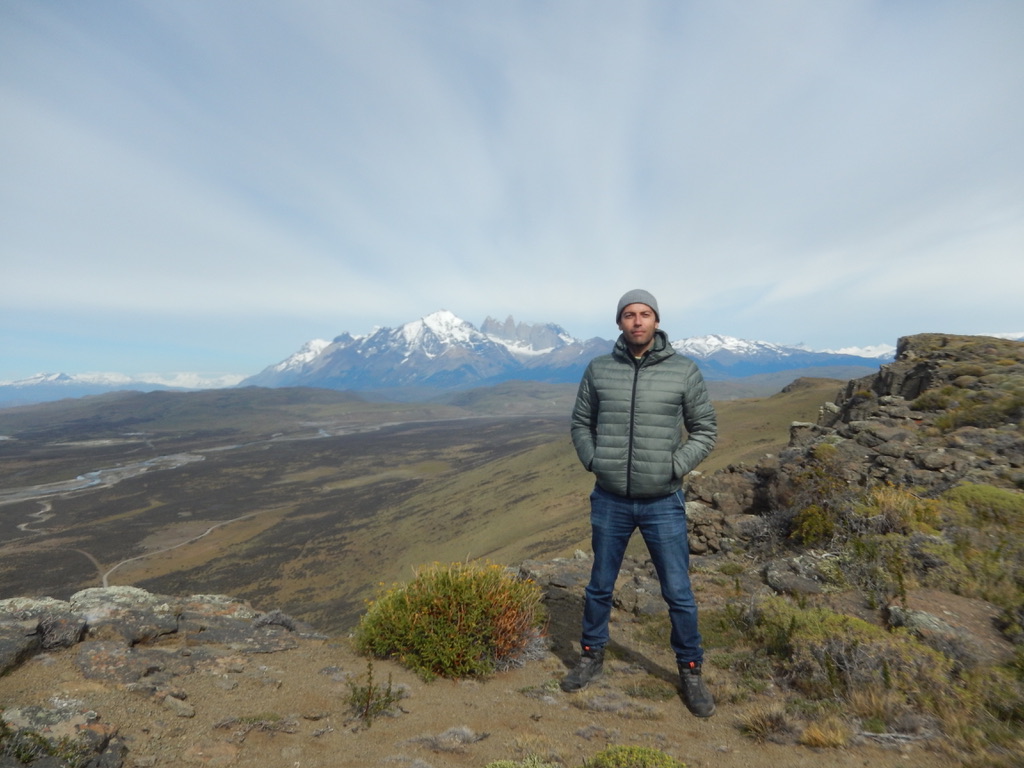
And my favourite region on the planet is Patagonia. However many times I’ve visited, which has been a lot because of my work on the guidebooks, I’m always discovering new things. It’s such a rewarding place.
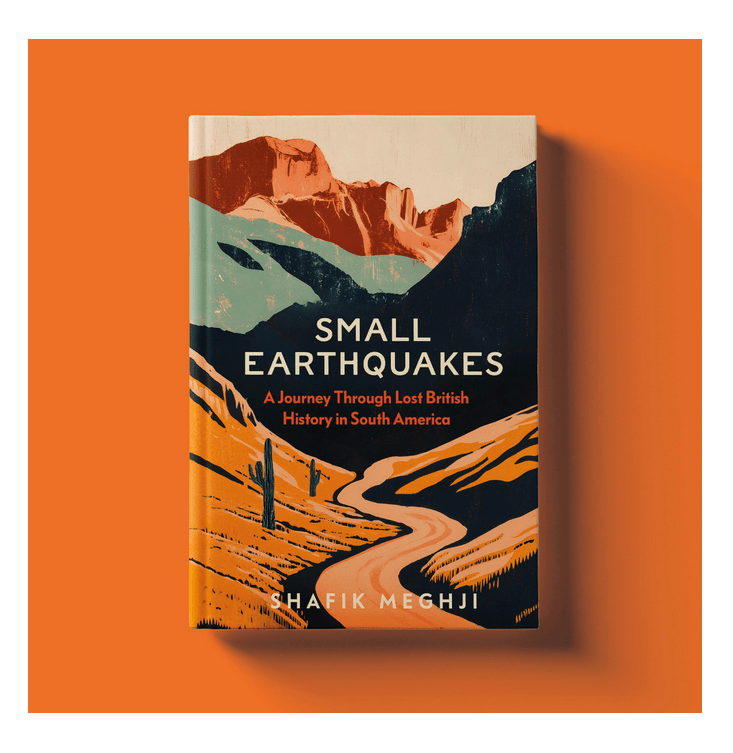
Small Earthquakes focuses on forgotten connections between South America and Britain. How did you come up with the concept?
The idea developed organically, just from spending 15 years traveling across the continent, doing guidebooks and other commissions. Everywhere I went, I kept stumbling upon these unexpected connections with Britain. It was history that I’d never been taught at school. And you don’t find it in popular culture. But everywhere there were these interesting little links.
For example, when I lived in Buenos Airies, I lived in the Villa Crespo neighbourhood near Palermo. And near me there were streets named Darwin and Thames and Fitzroy. And when I went into the city centre and walked down the main shopping street, there was a derelict Harrods store, filled with pigeons. It was the first and only overseas branch. On the edge of San Telmo there was a ‘Bar Britannica’. The River Plate went by the English name, rather than Rio de la Plata.
So, there were all these hints and little stories that the connection between South American and Britain were much more numerous, and went deeper, than most people realise. I was learning that there was a history that went back the best part of 500 years. But no one had really told this story.
And this connection continues today. I’m talking to you from London. The Latin American community here is one of the fastest growing communities in in the UK, with around a quarter of a million people with Latin American heritage.
What are the best travel books about South America that you have read?
My taste has developed over the years. When I was first travelling around as the somewhat cliched gringo backpacker in South America, I had a copy of In Patagonia. I think Chatwin played very fast and loose with the truth. There were a lot of embellishments, and outright misrepresentation. Nevertheless, the book captured something of the spirit of the place, the inspirational landscape, and it hinted at some of the interesting stories there.
More recently, I have been reading a lot of South American writers; the Uruguayan writer, Eduardo Galliano, for example. He really straddles genres and isn’t considered the typical travel writer. But his books brilliantly capture a place, a time and culture. His book, Open Veins of Latin America was really interesting. I’m also a huge football fan, so I loved Football in Sun and Shadow which is a brilliant evocation of a sport that’s central to South American culture.
SA is a continent that has not been written a lot about in the English language, and particularly in the UK. Thankfully, that has started to change, and there’s been a couple of really good books out recently that I’ve really enjoyed: Mars on Earth, by Mark Johansson, which is a brilliant book on the Atacama Desert, and blends elements of travel memoir as well. Patriot, by Lawrence Blair is another fantastic book which explores the histories of peoples and cultures beyond the more widely recognized ones in South America.
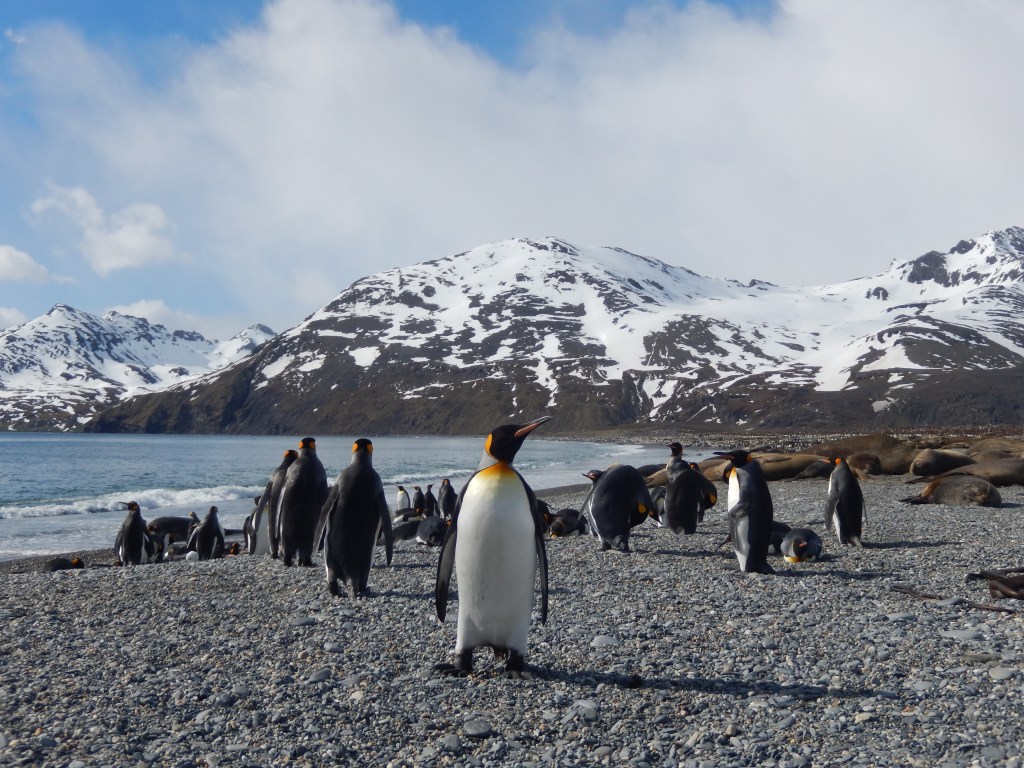
Finally, an often overlooked, but very good book is Uttermost Parts Of The Earth by Lucas bridges. It was written in the 1940s. His father founded the first non-Indigenous settlement in Tierra del Fuego,and had very strong links with the indigenous peoples of the southernmost part of South America.
It explores what it was like growing up there at the turn of the 20th century. It’s an incredible time capsule of one of the most extreme landscapes on Earth, during a period of seismic change, particularly for the indigenous peoples. It’s also just an incredibly evocative piece place writing.
Small Earthquakes and Crossed Off The Map are available now. Learn more about Shafik’s work at ShafikMeghji.com. All images © Shafik Meghji.

 The Travel Memoir Review
Leave a comment